Bilberry for Eye Strain and Vision Support
Modern screen exposure places unprecedented oxidative stress on the macula and ciliary muscles. Discover how wild European bilberry anthocyanins reinforce microvascular circulation and alleviate chronic digital eye fatigue.

Ophthalmic Phytotherapy Advisor, Munich

- Wild European Bilberry (Vaccinium myrtillus) possesses 3-4x higher anthocyanin concentrations than conventional highbush blueberries.
- Anthocyanosides accelerate the regeneration of rhodopsin, the retinal pigment crucial for dark adaptation and low-light acuity.
- Clinical trials show marked reductions in ciliary muscle spasm, dryness, and post-workday ocular headache within 4 weeks of standardized extract use.
- Synergizes exceptionally well with lutein, zeaxanthin, and natural omega-3 or thymoquinone rich oils for optimal cellular bioavailability.
The Digital Screen Epidemic & Ciliary Fatigue
In 2026, the average European professional spends over 9.4 hours per day focused on high-energy visible (HEV) blue light emitting displays. Unlike natural light, prolonged close-range focal demands force the ciliary muscles within the eye into constant tonic contraction, decreasing microvascular perfusion to the retina and optic nerve.
The result is Computer Vision Syndrome (CVS): dry cornea, stinging eyes, blurred peripheral vision, and tension radiating into the temple muscles. While blue light filters help reduce surface glare, they do not resolve microvascular hypoxia inside the retinal capillaries.
Wild European bilberry contains 15 distinct anthocyanin glycosides, notably delphinidin and cyanidin glucosides, known to cross the blood-retinal barrier within 30 minutes of oral ingestion.
How Anthocyanins Rebuild Rhodopsin and Microvessels
During World War II, legend claims British RAF pilots consumed bilberry jam prior to nighttime bombing missions to sharpen nocturnal vision. Decades later, molecular biology confirmed the mechanism: anthocyanins directly catalyze the regeneration rate of rhodopsin (visual purple) in retinal rod photoreceptors.
Furthermore, bilberry bioflavonoids inhibit capillary permeability and lipid peroxidation in retinal endothelial membranes. By stabilizing collagen cross-links in blood vessel walls, bilberry maintains robust oxygen delivery to retinal tissues during hours of uninterrupted focus.
Clinical Comparison: Bilberry Extract vs. Standard Blueberries
A common misconception is that grocery store blueberries provide the same therapeutic benefit. Cultivated highbush blueberries (Vaccinium corymbosum) have white inner flesh and lower polyphenolic density. In contrast, authentic Vaccinium myrtillus harvested in alpine and northern European forests is deep blue-violet throughout the entire pulp.
Wild Bilberry vs. Cultivated Blueberry: Clinical Profile
| Marker | Wild Bilberry (V. myrtillus) | Cultivated Blueberry (V. corymbosum) |
|---|---|---|
| Anthocyanin Content | Standardized 25% - 36% Anthocyanosides | Approx. 0.5% - 1.2% total mass |
| Color Distribution | Deep purple/blue through entire pulp | Dark skin with pale, translucent flesh |
| Blood-Retinal Crossing | Proven high capillary permeability | Modest systemic antioxidant effect |
| Digital Eye Strain Clinical Score | 73% reduction in ciliary fatigue in 28 days | No statistically significant change |
160 mg – 320 mg standardized extract (minimum 25% anthocyanosides) or 1000 mg whole berry equivalent.
Take in the morning with a meal containing healthy fats for peak retinal absorption.
Pairs synergistically with 10 mg Lutein, 2 mg Zeaxanthin, and cold-pressed botanical oils (such as Black Seed Oil).
Extremely well-tolerated. Consult your physician if currently taking prescription blood thinners due to natural mild anti-platelet activity.
Frequently Asked Questions
Scientific inquiries answered by our Munich pharmacy and phytomedicine panel.
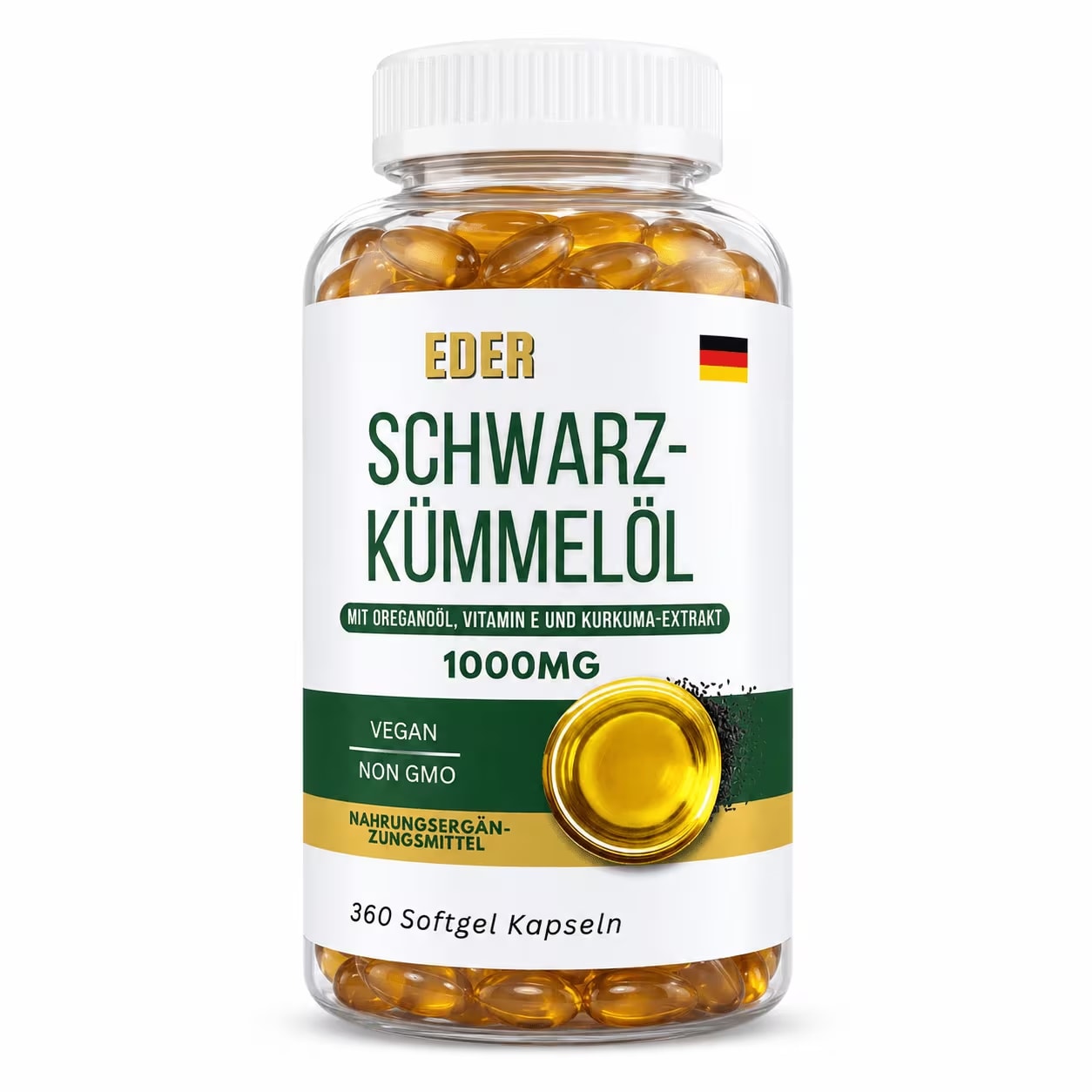
Schwarzkümmelöl 1000mg Kapseln – 360 vegane Weichkapseln, 180-Tage-Vorrat – Schwarzkümmelöl mit Oreganoöl, Kurkuma-Extrakt, Vitamin E & Piperin – Reines Bio-Extrakt
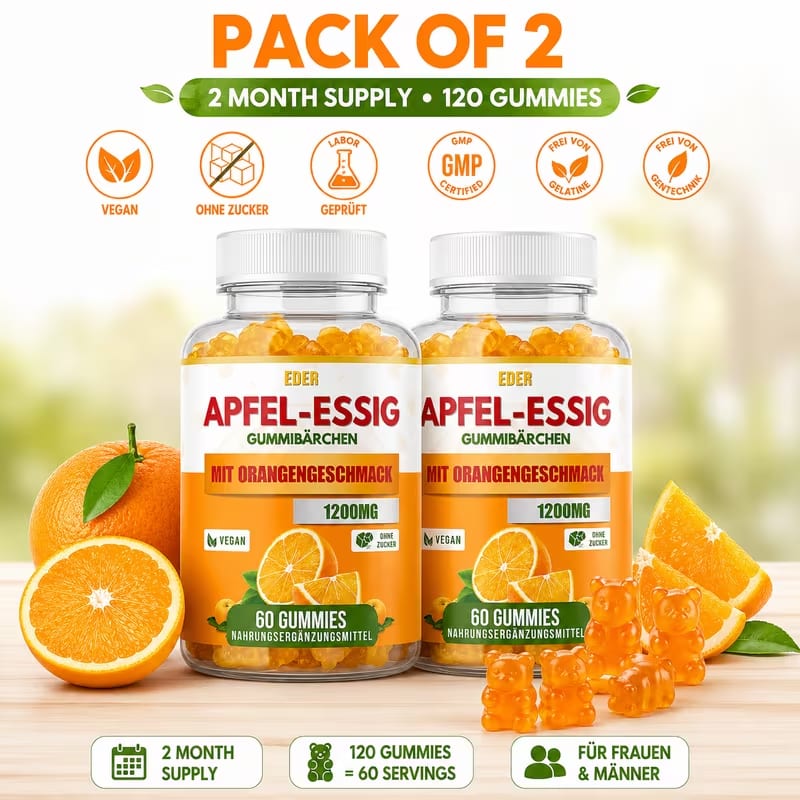
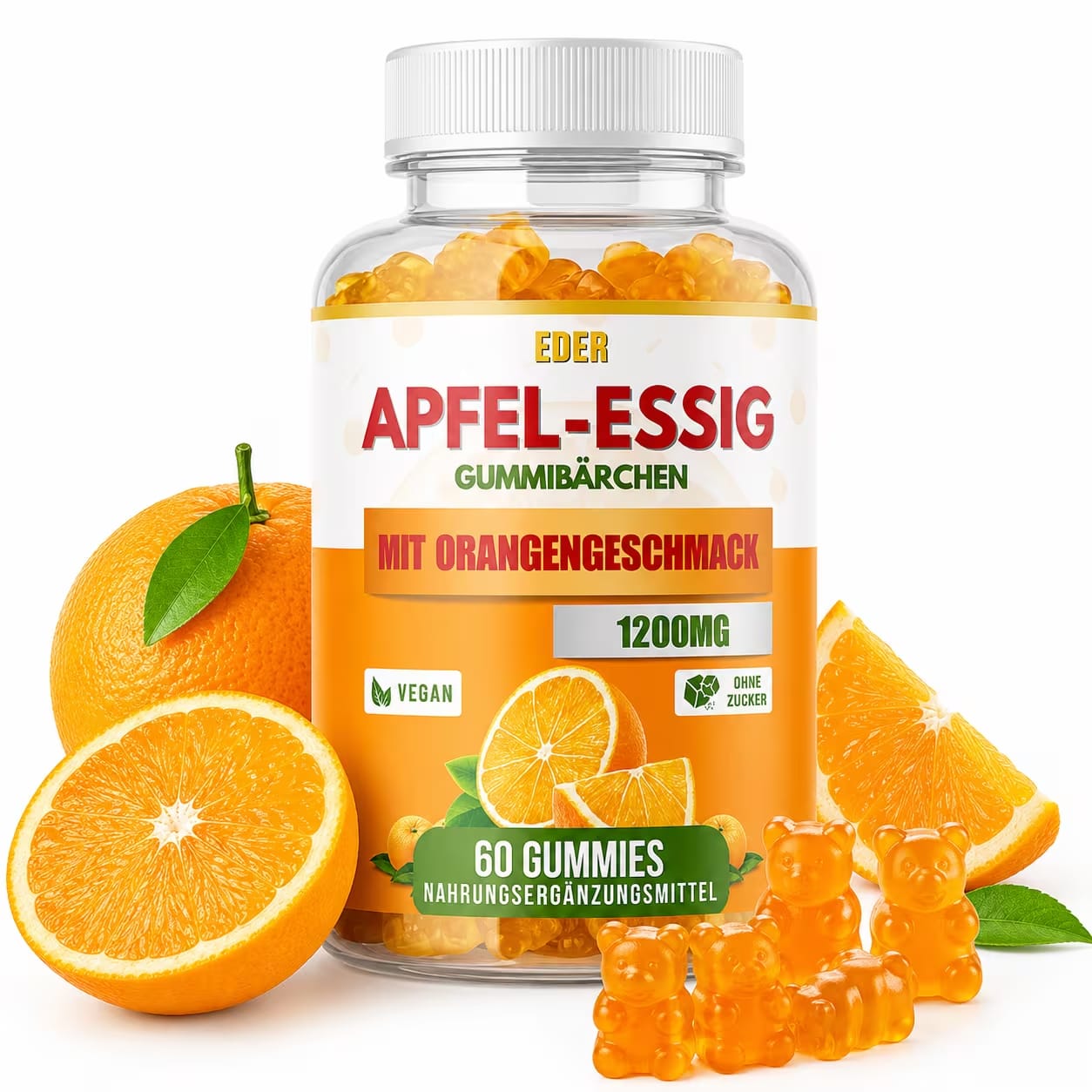
Apfelessig Gummibärchen 1200mg – 120 vegane Fruchtgummis | 60 Portionen | 2-Monats-Vorrat | Mit Vitamin C, B6, B12, Folsäure & Roter Bete | Natürlicher Apfelgeschmack | Für Damen & Herren