Types Of Magnesium: Benefits & Absorption Rates
Not all magnesium supplements are created equal. From oxide and citrate to glycinate, malate, and threonate, explore the exact bioavailabilities, target tissues, and clinical applications for each chemical form.

Nutritional Biochemist & Pharmacist, Heidelberg

- Magnesium Oxide exhibits only 4% intestinal absorption and primarily exerts a laxative osmotic effect.
- Magnesium Bisglycinate is bound to the amino acid glycine, yielding superior cellular uptake without gastrointestinal distress.
- Magnesium Malate is the premier choice for mitochondrial ATP production, muscle recovery, and chronic fatigue.
- Magnesium L-Threonate is the only chelating form clinically demonstrated to cross the blood-brain barrier to enhance synaptic density.
The Chelation Difference: Why Molecule Binding Matters
Elemental magnesium is an unstable, highly reactive alkaline earth metal that must always be bonded to a carrier molecule (salt or amino acid). The carrier chosen dictates not only how much elemental magnesium is absorbed in the jejunum, but also which physiological systems benefit.
Cheap over-the-counter tablets frequently use inorganic magnesium oxide or carbonate. Because these bonds fail to dissolve effectively in neutral pH intestines, unabsorbed magnesium draws water into the colon, causing diarrhea while leaving intracellular stores critically depleted.
Never look solely at the total milligrams on the front label. A 500mg capsule of Magnesium Bisglycinate delivers approximately 70mg to 100mg of pure elemental magnesium, with virtually 100% cellular bioavailability.
Detailed Breakdown of Key Chelated Forms
Magnesium Bisglycinate: Bound to two molecules of the inhibitory neurotransmitter glycine. It bypasses regular mineral absorption channels by using dipeptide transporters in the intestinal wall, making it exceptionally gentle on the stomach and ideal for nighttime relaxation.
Magnesium Malate: Bound to malic acid, an essential intermediate in the Krebs citric acid cycle. It enhances cellular energy turnover (ATP) and alleviates morning muscle stiffness and delayed onset muscle soreness (DOMS).
Magnesium Citrate: Readily soluble and moderately absorbed, ideal for individuals with sluggish digestion, though dosages exceeding 350mg may prompt loose stools.
Soil Depletion & The Universal Modern Deficiency
Intensive monoculture farming has depleted European and North American topsoil of essential minerals. Modern vegetables and grains contain 25% to 40% less magnesium than crops harvested in 1950. Supplementation is no longer merely elective for active adults; it is an essential nutritional backstop.
Comprehensive Magnesium Forms Guide
| Magnesium Form | Estimated Absorption Rate | Primary Target & Best Use |
|---|---|---|
| Magnesium Bisglycinate | Very High (~80-90%) | Sleep, Anxiety, Muscle Cramps, Nightly Calm |
| Magnesium L-Threonate | Very High (Crosses BBB) | Brain Health, Memory, Cognitive Focus |
| Magnesium Malate | High (~70-80%) | Daytime Energy, Fibromyalgia, Exercise Fatigue |
| Magnesium Taurate | High (~70%) | Cardiovascular Function, Blood Pressure, Heart Rhythm |
| Magnesium Citrate | Moderate (~30-40%) | Mild Constipation, General Maintenance |
| Magnesium Oxide | Poor (~4%) | Severe Constipation, Antacid (Not for deficiency) |
300 mg – 400 mg elemental magnesium daily for adult men; 280 mg – 320 mg for adult women.
Malate in the morning or pre-workout; Bisglycinate 45 minutes prior to sleep.
Requires active Vitamin B6 (P-5-P) for intracellular shuttle; Vitamin D3 enhances gastrointestinal absorption.
Individuals with severe renal impairment (kidney disease) must not take supplemental magnesium without nephrologist supervision.
Frequently Asked Questions
Scientific inquiries answered by our Munich pharmacy and phytomedicine panel.
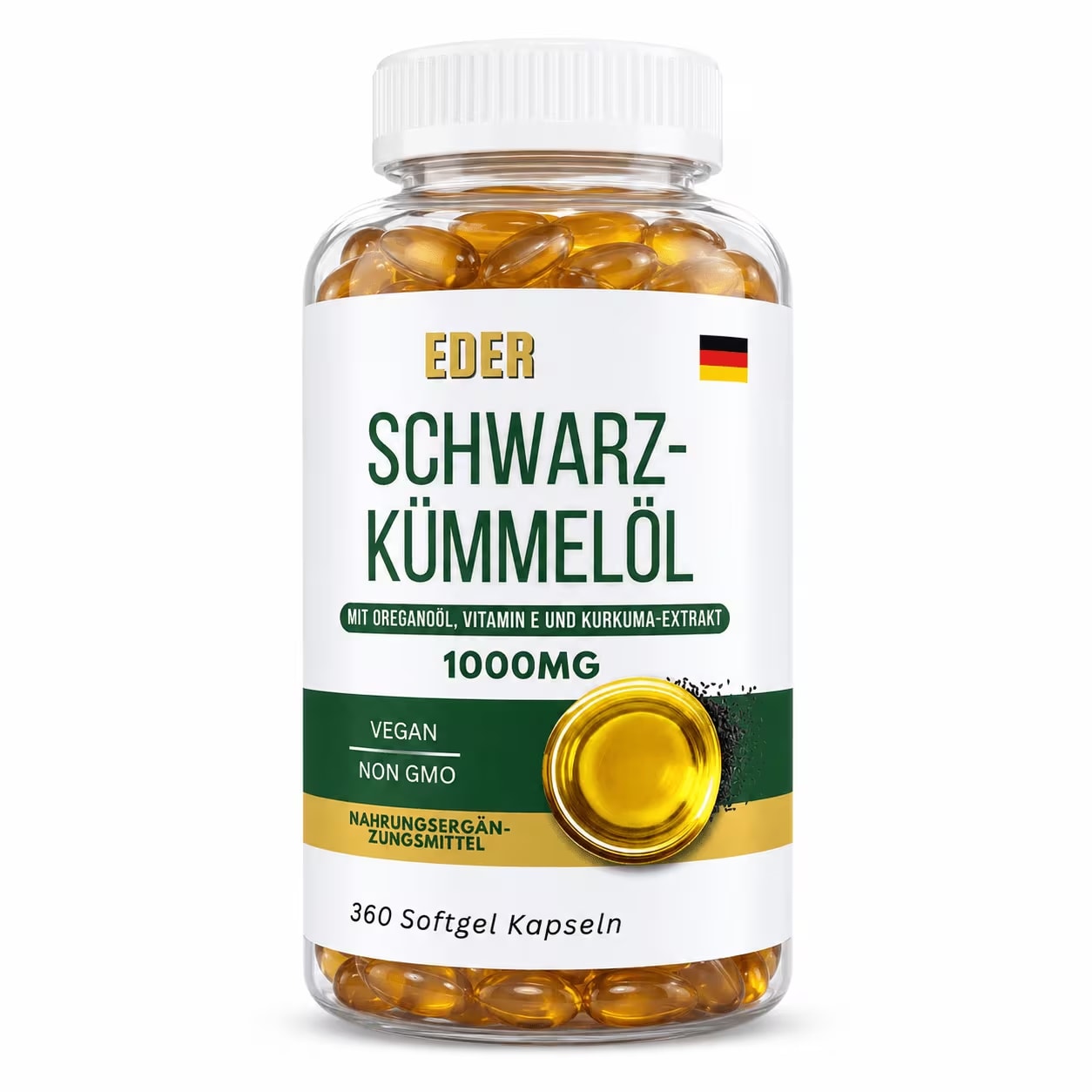
Schwarzkümmelöl 1000mg Kapseln – 360 vegane Weichkapseln, 180-Tage-Vorrat – Schwarzkümmelöl mit Oreganoöl, Kurkuma-Extrakt, Vitamin E & Piperin – Reines Bio-Extrakt
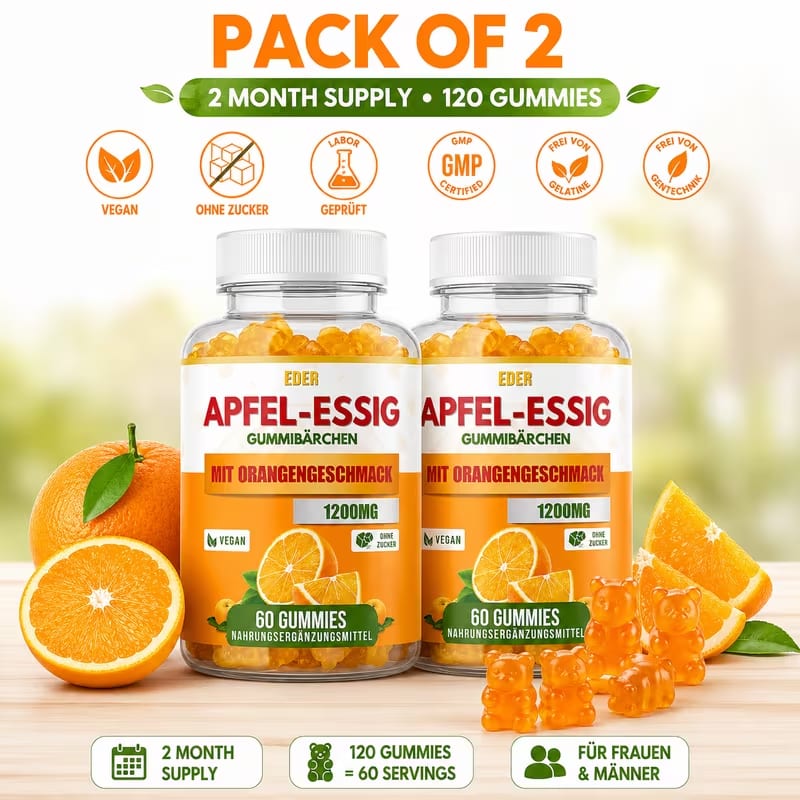
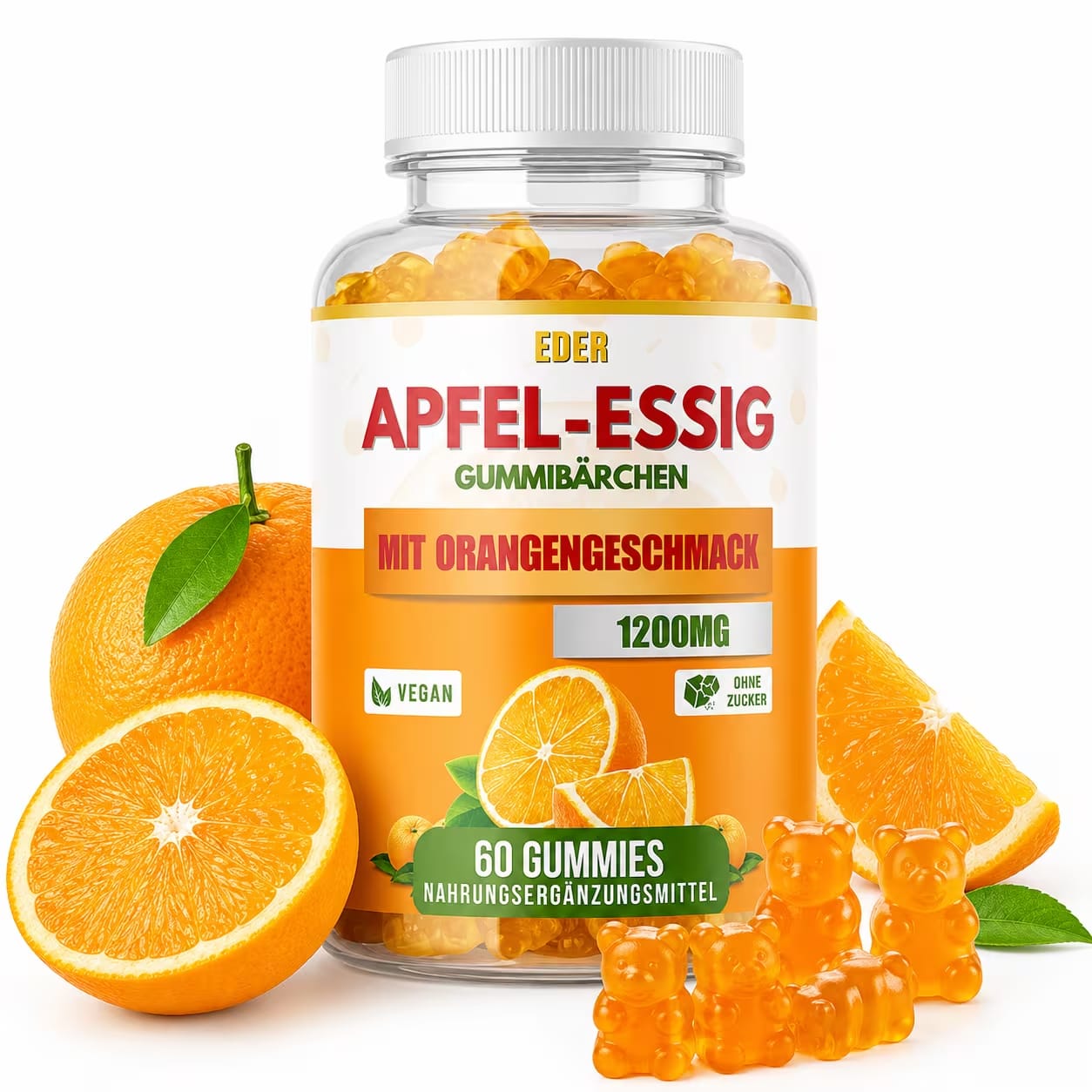
Apfelessig Gummibärchen 1200mg – 120 vegane Fruchtgummis | 60 Portionen | 2-Monats-Vorrat | Mit Vitamin C, B6, B12, Folsäure & Roter Bete | Natürlicher Apfelgeschmack | Für Damen & Herren